Hyperacidity, known as Amlapitta in Ayurveda, is a common condition caused by an imbalance in stomach acids. It manifests as symptoms like heartburn, acid reflux, nausea, and abdominal discomfort. While modern medicine often relies on antacids for quick relief, Ayurveda takes a holistic approach, addressing the root cause of hyperacidity through diet, lifestyle changes, and natural remedies.
Understanding Hyperacidity in Ayurveda
According to Ayurvedic principles, hyperacidity results from an imbalance in the Pitta dosha which governs heat and metabolism in the body. Factors such as excessive consumption of spicy, oily, and acidic foods, irregular eating habits, stress, and lack of physical activity aggravate Pitta, leading to the production of excess acid in the stomach. Ayurveda aims to restore balance in the body by calming the aggravated Pitta dosha and promoting healthy digestion.
Dietary Factors:
Taking amla, katu, lavan rasatmak ahar (diet).
Amla – such as food contains curd , lemon , tamarind, tomato etc.
Katu – such as food contains – Pepper , Black pepper , dried red pepper
Lavan – food contains – salt , chips ,wafers , farsan , chivada , salty nuts , etc.
Overeating or irregular meal timings.
Consumption of spicy, fried, or processed foods.
Excessive intake of caffeinated beverages and alcohol.
Ayurveda offers a range of natural remedies to soothe the symptoms of hyperacidity and address its root cause:
Herbs:
Amla (Indian Gooseberry): A rich source of Vitamin C, it helps cool and balance Pitta.
Licorice (Yashtimadhu): Soothes the stomach lining and reduces acid production.
Guduchi: Detoxifies the body and balances Pitta dosha.
Cumin (Jeera): Improves digestion and reduces bloating.
Shatavari: it helps in reducing excessive pitta dosha from body. It’s madhur , tikta rasatmak which helps in reducing amla ,katu rasa .
Haritaki with black raisin : it’s time tasted remedy for acid reflux . Take 8-10 black raisin and 2-3 small piece of single Haritaki fruit flakes, chew it for 5-8 mins .
Home Remedies: Drinking buttermilk with cumin and coriander powder.
Kokam sharbat : kokam is natural antacid. Which helps in reducing Hyperacidity wonderfully.
Aloe vera juice to cool the stomach and reduce inflammation.
Dietary Changes:
Start bhojan with madhur ahar . Eat at specific time in afternoon and night. Do not overeat . Do not change your meal timings frequently. Avoid eating hard to digest food at night time. Eat little less than your appetite at night time. Avoid curd , buttermilk at night time.
There should be at least 1.5 -2 hours gap between your meal and sleeping time. Never drink too much water after your meal. Including alkaline foods like bananas, cucumber, and coconut water. Avoiding acidic, spicy, and fried foods.
Drinking lukewarm water throughout the day.
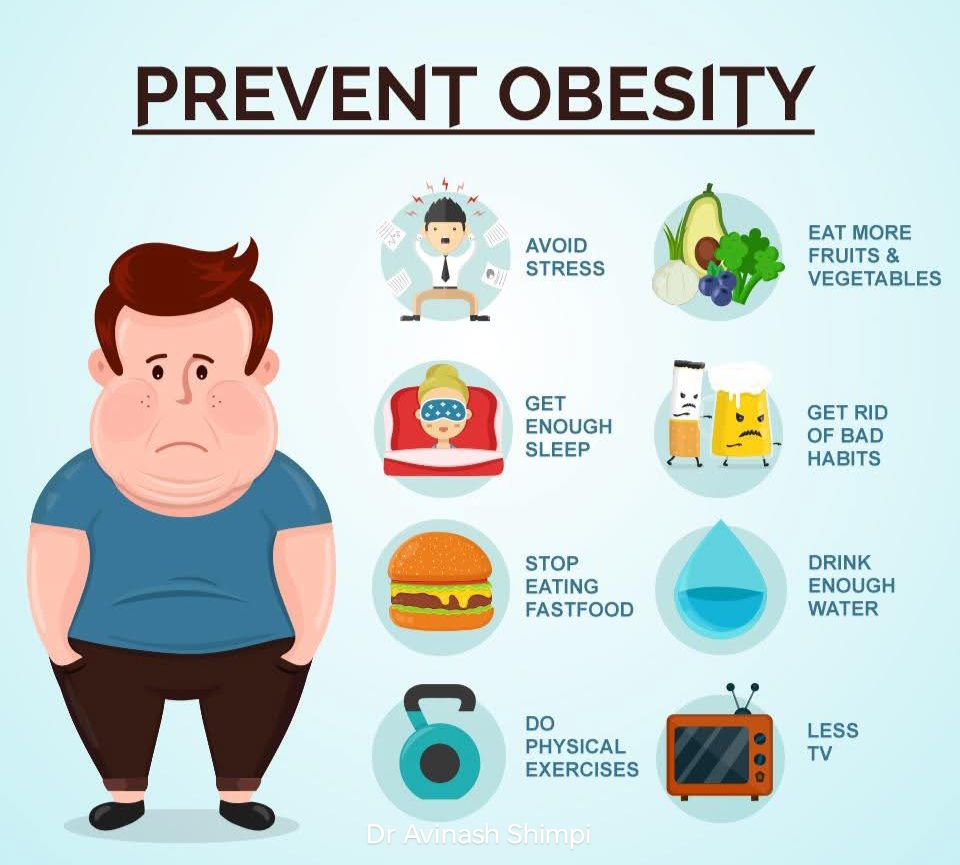
Cardiovascular Exercise: Cardio exercises like jogging, walking, cycling, and aerobics are highly effective for burning calories. These activities elevate the heart rate and improve cardiovascular health, making them an essential part of any weight-loss regimen.
Strength Training: Weightlifting and resistance exercises build muscle mass, which increases the body’s resting metabolic rate. This means that even when the body is at rest, it burns more calories, making strength training a valuable tool for long-term weight management.
High-Intensity Interval Training (HIIT): HIIT involves short bursts of intense activity followed by brief rest periods. It is highly effective for burning fat in a shorter time, making it ideal for those with busy schedules.
Yogasane : Suryanamaskar, Bhujangasana , Tadasana ,Pashchimottanasana are some of the yogasane which can help in reducing weight effectively . While these may not burn as many calories as cardio or strength training, they improve flexibility, posture, and mental well-being. Additionally, they help reduce stress, which can be a major contributor to weight gain.
The Benefits of Exercise Beyond Weight Loss While the primary goal may be weight loss, exercise offers several other benefits that enhance overall quality of life:
Improved Mental Health: Regular physical activity releases endorphins, also known as “feel-good” hormones, which reduce stress, anxiety, and depression.
Enhanced Energy Levels: Exercise increases stamina and reduces fatigue, making daily tasks easier and more enjoyable.
Better Sleep : Physical activity regulates sleep patterns, ensuring deeper and more restorative rest.
Reduced Risk of Chronic Diseases: Exercise lowers the risk of conditions such as heart disease, diabetes, and hypertension, which are often linked to excess weight.
The key to successful weight loss through exercise is consistency. Crash workouts or sporadic efforts may yield short-term results but are unlikely to sustain long-term weight loss. It’s important to choose activities that are enjoyable and align with one’s fitness level. Setting realistic goals and gradually increasing the intensity of workouts can help prevent burnout and injuries.
The Role of Diet in Supporting Exercise
Exercise alone may not be enough to achieve significant weight loss; a balanced diet plays an equally important role. Consuming nutrient-rich foods and avoiding processed and high-calorie items complement the effects of exercise, creating a holistic approach to weight loss. Proper hydration and pre- and post-workout meals further enhance performance and recovery.
Weight loss through exercise is not just about shedding pounds but about adopting a healthier lifestyle. Regular physical activity improves physical fitness, mental health, and overall well-being. While the journey may require effort and dedication, the rewards are worth it. By making exercise a part of daily life, individuals can achieve sustainable weight loss and enjoy a healthier, more fulfilling life.