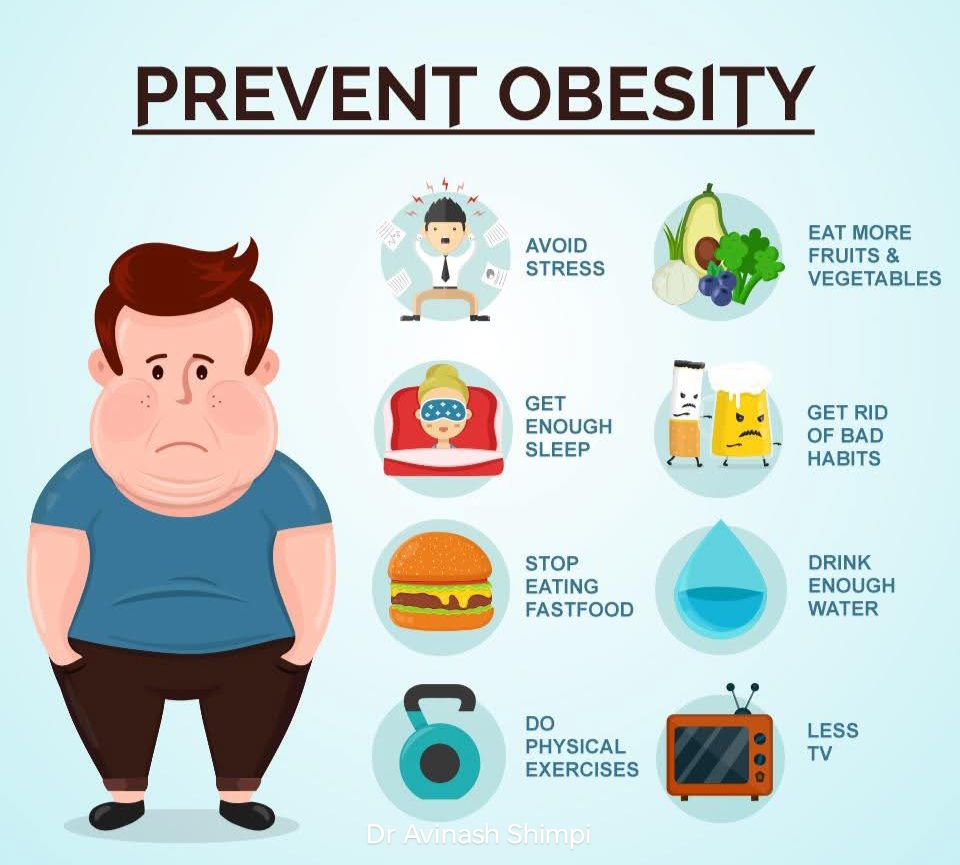
When Meda dhatu (Fat) increases excessively. Weight increases and it can be seen on body parts like abdomen , sides of abdomen, neck , buttocks etc.
Due to continuous consumption of Kapha Vardhak Aahara, Meda Dhatu is being increased by principle of Samanyam Vriddhi Karanam.
Ati-Guru sevan
due to its guru paki and sheeta veerya property test time to digest and increases the kapha dosha which affects the dushya meda.
Madhura ati sevana
Very heavy and have sheeta, guru, snigdha and parthivapya property and increase the madhurasa of kapha after digestion.
Sheetahara sevana
It has guru, mridu, sthula, pichhhila, snigdha, manda, sthir and shlakshana qualities which increase the styanavta of kapha dosha. It produces the obstruction in channels.
Ati-Snigdha,Shleshma bahula,and Pichhila Aahara
These type of aahara has guru, sheeta, sthula, pichhil properties they affects the meda dhatu by increasing kapha doshas in quantam.
Ati Bhojan
Taking excessive amount of food It will affect the pachakagni leading to delayed or improper digestion. As a result of this, ama rasa is produced to which spreads all over the body like a toxin. It causes obstruction in medovaha strotas and produces medorog.
Ati Pishtanna sevan
They are difficult to digest and aggravate the kapha dosha and produce ama by affecting the pachakagni.
Navanna sevan,
Navanna is abhishyandi in nature and produces strotorodha by aggravating the kapha dosha, ultimately increase in meda dhatu which result into medorog.
Anupa Mamsa Sevan
Consumtion of excessive anupa mamsa aggravates the kapha dosha and vitiates the medovaha strotas causing medodhatwati sanchaya, which leads to medorog.
Vyavaya (lack of sexual intercourse)
Increases the shukra dhatu and produces the shrotorodha, which leads in increase of meda dhatu.
Vyayama (lack of exercise)
Increases the meda dhatu and (happy and comfortable living without any work) – It leads to kapha vriddhi and affects the meda dhatu which produces medorog.
Diwaswapna (Day sleep)
Diwaswapna increase the kapha and affects the meda dhatu by obstructing the channels, which later on leads to the production medorog.
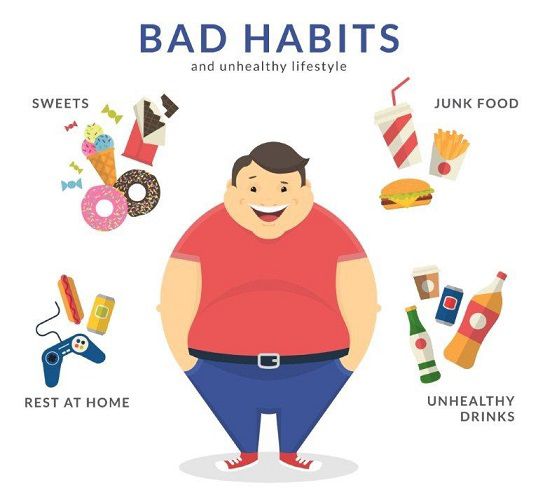
A Path to Healthy Living Weight loss is a goal for many individuals, often pursued to improve health, boost self-confidence, and enhance overall well-being. Among the various strategies to shed excess weight, exercise stands out as one of the most effective and sustainable methods. Beyond just burning calories, regular physical activity offers numerous physical, mental, and emotional benefits, making it a cornerstone of a healthy lifestyle.
Exercise contributes to weight loss by creating a calorie deficit, wherein the body burns more calories than it consumes. Physical activities such as running, cycling, swimming, and strength training increase energy expenditure, helping to eliminate excess fat. Additionally, exercise boosts metabolism, which allows the body to burn calories even at rest. Over time, consistent physical activity not only leads to weight reduction but also helps in maintaining a healthy weight.
Cardiovascular Exercise: Cardio exercises like jogging, walking, cycling, and aerobics are highly effective for burning calories. These activities elevate the heart rate and improve cardiovascular health, making them an essential part of any weight-loss regimen.
Strength Training: Weightlifting and resistance exercises build muscle mass, which increases the body’s resting metabolic rate. This means that even when the body is at rest, it burns more calories, making strength training a valuable tool for long-term weight management.
High-Intensity Interval Training (HIIT): HIIT involves short bursts of intense activity followed by brief rest periods. It is highly effective for burning fat in a shorter time, making it ideal for those with busy schedules.
Yogasane : Suryanamaskar, Bhujangasana , Tadasana ,Pashchimottanasana are some of the yogasane which can help in reducing weight effectively . While these may not burn as many calories as cardio or strength training, they improve flexibility, posture, and mental well-being. Additionally, they help reduce stress, which can be a major contributor to weight gain.
The Benefits of Exercise Beyond Weight Loss While the primary goal may be weight loss, exercise offers several other benefits that enhance overall quality of life:
Improved Mental Health: Regular physical activity releases endorphins, also known as “feel-good” hormones, which reduce stress, anxiety, and depression.
Enhanced Energy Levels: Exercise increases stamina and reduces fatigue, making daily tasks easier and more enjoyable.
Better Sleep : Physical activity regulates sleep patterns, ensuring deeper and more restorative rest.
Reduced Risk of Chronic Diseases: Exercise lowers the risk of conditions such as heart disease, diabetes, and hypertension, which are often linked to excess weight.
The key to successful weight loss through exercise is consistency. Crash workouts or sporadic efforts may yield short-term results but are unlikely to sustain long-term weight loss. It’s important to choose activities that are enjoyable and align with one’s fitness level. Setting realistic goals and gradually increasing the intensity of workouts can help prevent burnout and injuries.
The Role of Diet in Supporting Exercise
Exercise alone may not be enough to achieve significant weight loss; a balanced diet plays an equally important role. Consuming nutrient-rich foods and avoiding processed and high-calorie items complement the effects of exercise, creating a holistic approach to weight loss. Proper hydration and pre- and post-workout meals further enhance performance and recovery.
Weight loss through exercise is not just about shedding pounds but about adopting a healthier lifestyle. Regular physical activity improves physical fitness, mental health, and overall well-being. While the journey may require effort and dedication, the rewards are worth it. By making exercise a part of daily life, individuals can achieve sustainable weight loss and enjoy a healthier, more fulfilling life.